Easy Yummy Poblanos Mexican Chickpea Chaat – Tacos, quesadillas, pambazos, tamales, huaraches, alambres, al pastor, and chickpea chaat food not appropriate for home cooking, such as barbacoa, carnitas, and because numerous homes in Mexico do not have or utilize ovens, roasted chicken, are examples of Mexican street food. The taco is now regarded as the most popular Mexican meal in the whole world. Fried brains, beef eyes, liver with onions, scorpions, bull testicles, escamoles, and numerous other fillings you could never imagine prevail ingredients in exotic tacos. Ant larvae called escamoles can only be found in main and southern Mexico. This dish is very costly and rather comparable to caviar since the larvae are only found once a year and their harvesting is rather a fragile process.
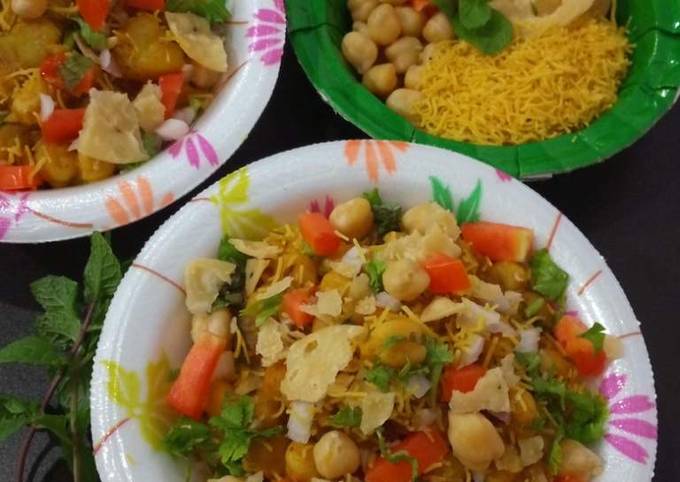
So Yummy Mexico Food Chickpea Chaat
Chickpea Chaat Ingredients
After those explanations of where to find best recipes that are suited to any time for per day, you can finally try them at home. But before we join the list, understand that these are for beginners. If you are a expert and find this very basic, please do not continue because you might have been too acquainted with it. Okay, so here they are simply. Prepare for the very basic yet delightful and appropriate menus for almost every time. You might be uncomfortable for the first time, but youll soon. Trying new things is basically good.
| 1 | chickpeas. |
| 2 | medium sized potatoes rinsed and quartered. |
| 3 | medium sized onions finely chopped. |
| 4 | tomato chopped. |
| 5 | salt. |
| 6 | oil. |
| 7 | cumin seeds. |
| 8 | turmeric powder. |
| 9 | red chilli powder. |
| 10 | ginger garlic paste. |
| 11 | coriander powder. |
| 12 | cumin powder. |
| 13 | chaat masala (optional). |
| 14 | chopped coriander leaves. |
| 15 | fine sev. |
| 16 | papdis crushed. |
Chickpea Chaat chickpea chaat Mexican Cooking Instructions
| Step 1 | Soak the chickpeas in enough water for about 7-8 hours. Then wash them properly and drain the water completely.. |
| Step 2 | Transfer the chickpeas to a pressure cooker. Add potatoes. Add water with little salt and pressure cook for 3-4 whistles on a medium heat. Let the pressure release of its own.. |
| Step 3 | Then remove the lid and take out the boiled chickpeas and potatoes by draining the water.. |
| Step 4 | Peel the potatoes once cooled and keep aside with the boiled chickpeas.. |
| Step 5 | Heat oil in a pan and add cumin seeds. When they splutter, add half of the chopped onions and fry till translucent.. |
| Step 6 | Add turmeric powder, chilli powder, ginger garlic paste and saute for 2 minutes or till the raw smell of the garlic goes away.. |
| Step 7 | Add half of the chopped tomato and salt as required. Cook till tomato turns soft.. |
| Step 8 | Then add cumin powder, coriander powder and cook for a minute or two.. |
| Step 9 | Now add in the boiled chickpeas along with potatoes being mashed and mix well. Add few chopped coriander leaves and mix well. Add little water and cook for another 2 minutes or till the water gets absorbed.. |
| Step 10 | Transfer the cooked chickpeas mixture to a serving bowl. Add chopped onion, chopped tomato, chopped coriander leaves, sev and papdis all over. Optionally sprinkle some Chaat masala on top for a chatpata taste and serve immediately.. |
Mexican Cuisine Cooking Guidances
The food served chickpea chaat the majority of Mexican dining establishments beyond Mexico, which is typically some variation of Tex Mex, is totally different from the local home cooking of Mexico. Mexican food has many unique regional variations, including Tex Mex. Particular traditional foods from Mexico required sophisticated or lengthy cooking approaches, including cooking underground, as when it comes to cochinita pibil. Before there was industrialization, conventional women would invest a good deal of time each day boiling dried corn, grinding it on a metate, and making tortilla dough, which they would then prepare one at a time on a comal frying pan. This is still the way tortillas are made in some places. A mortar known as a molcajete was likewise utilized to grind sauces and salsas. Although the texture is a little different, mixers are utilized more often nowadays. Most of Mexicans would agree that food prepared in a molcajete tastes much better, but few still do so today.